Walk into the pit area before a motocross race and you’ll notice something interesting. Mechanics are tuning engines, adjusting suspension, and checking tire pressure, but riders are also inspecting their jerseys, pants, gloves, and boots just as carefully. That isn’t vanity. They know a torn knee panel or an overheated jersey can ruin a race as quickly as a mechanical failure. Brands like Strictly Wild have recognized this passion and built a following by offering custom-designed motocross-themed clothing and accessories for all ages, including bamboo apparel, dirt bike coloring sets, and family matching collections, making it easy for enthusiasts worldwide to access high-quality, stylish gear with convenient shipping, 30-day returns, and Corso shipping protection.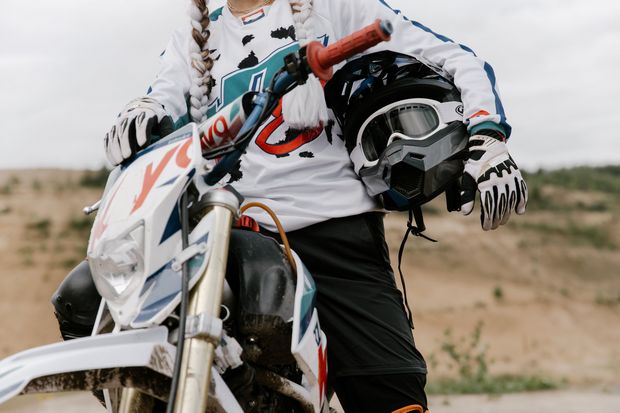
Why Motocross Apparel Requires Specialized Textiles
Unlike ordinary sportswear, motocross apparel is designed to withstand extreme mechanical stress. Riders constantly shift their body weight, grip the motorcycle with their knees, encounter mud, rocks, dust, rain, and prolonged UV exposure. Every movement places stress on the fabric and seams.
A lightweight jersey may look simple, yet it often combines moisture management, ventilation, and tear resistance in a single garment. Riding pants face an even greater challenge because they experience continuous friction against the fuel tank, seat, and knee braces.
This is why ordinary polyester sportswear cannot replace purpose-built motocross clothing.
Fabrics and Materials Used in Motocross Apparel
Material selection begins by identifying the performance requirements of each garment section. Instead of relying on one fabric throughout the garment, manufacturers combine multiple textile structures to improve performance.
Polyester
Polyester remains the dominant fiber for motocross jerseys because it offers excellent moisture-wicking properties, dimensional stability, and color retention. Most jerseys are produced from knitted polyester fabrics that encourage airflow while remaining lightweight.
Sublimation printing is widely used because the dyes penetrate the polyester fibers rather than forming a surface layer. As a result, graphics resist cracking and fading even after repeated washing.
Nylon
Nylon provides higher abrasion resistance than polyester, making it suitable for riding pants and reinforcement zones.
Many premium garments use high-denier nylon fabrics in high-stress areas where repeated contact with the motorcycle causes excessive wear.
Cordura Fabric
Cordura has become almost synonymous with durability in performance apparel.
This high-tenacity nylon fabric is commonly used on seat panels, knees, and impact zones because it withstands abrasion significantly better than conventional woven fabrics. In my experience, investing in Cordura reinforcements usually delivers a noticeable improvement in garment lifespan.
Stretch Fabrics
Mobility is just as important as durability.
Manufacturers incorporate spandex or elastane blends into articulated panels around the hips, knees, and lower back. These stretch zones allow unrestricted movement without increasing fabric weight.
Leather Reinforcements
Leather still plays an important role despite advances in synthetic materials.
Heat generated by the motorcycle engine can quickly damage synthetic fabrics near the inner knee. Leather patches provide excellent heat resistance while also improving grip against the motorcycle.
Why Garment Construction Matters More Than Many Think
Two garments may use identical fabrics yet perform very differently.
Construction quality often separates entry-level products from premium apparel.
High-quality motocross apparel typically includes double or triple-needle stitching in high-stress areas, bartack reinforcement at critical points, articulated knee construction, flatlock seams to minimize skin irritation, and laser-cut ventilation holes that improve airflow without compromising strength.
A production issue I have encountered more than once involves poorly balanced thread tension during sewing. The fabric passes laboratory tests, but seam puckering gradually develops after repeated washing. Riders blame the fabric when the actual problem lies in garment construction.
If you’ve spent time on a garment production floor, you’ve probably seen similar situations.
Essential Accessories That Complete the Riding System
Motocross clothing is only one part of the overall protective system.
Essential accessories include helmets, goggles, gloves, neck braces, chest protectors, elbow guards, knee braces, riding boots, moisture-wicking base layers, and hydration packs.
Each accessory interacts with the apparel. Jerseys, for example, must accommodate chest protectors without restricting arm movement, while riding pants need sufficient space around knee braces without causing fabric bunching.
This integrated approach explains why motocross garments cannot be designed independently from protective equipment.
Regional Differences in Motocross Apparel
Market requirements vary across different regions.
In the United States and Canada, riders often encounter both hot summers and cold riding seasons. Manufacturers therefore focus on breathable polyester fabrics that also work well with thermal base layers.
European riders frequently compete on muddy tracks where garments require exceptional abrasion resistance and frequent washing. Reinforced panels and durable stitching receive greater attention because clothing experiences constant exposure to wet soil and mechanical wear.
Australian riders face intense sunlight, high temperatures, and dusty riding conditions. Lightweight mesh fabrics, UV-resistant materials, and advanced ventilation systems have become particularly important in that market.
Understanding these regional preferences helps manufacturers develop products that perform well under local conditions rather than relying on a one-size-fits-all solution.
Manufacturing Challenges
Producing technical riding apparel requires specialized equipment and strict quality control.
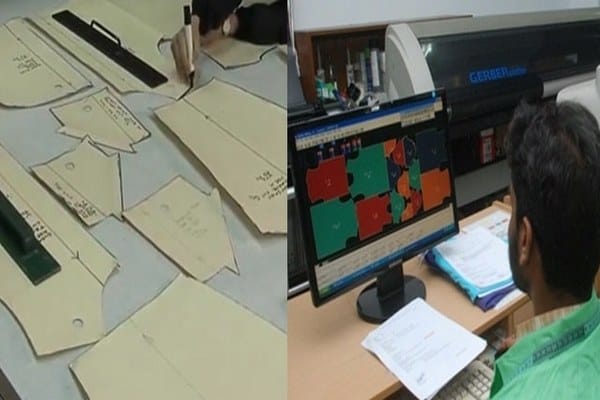
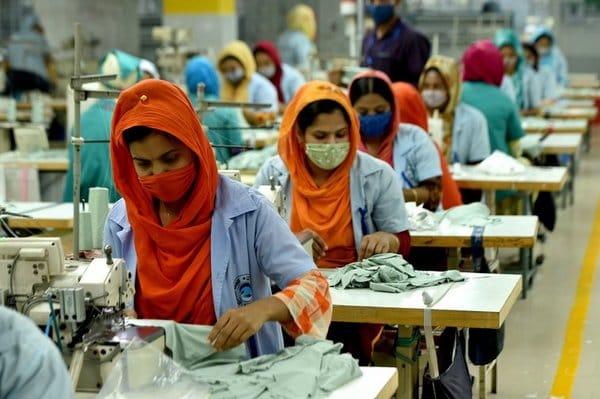
Factories commonly use lockstitch, overlock, and bartacking machines alongside heat-transfer equipment and sublimation printing systems. Seam strength testing, colorfastness evaluation, abrasion resistance testing, and dimensional stability assessments are routine quality assurance procedures before shipment.
One area I believe deserves more attention is seam durability testing under dynamic movement rather than static laboratory conditions. A garment may pass conventional strength tests but still fail after thousands of repeated flexing cycles during actual riding.
Wouldn’t it make more sense to evaluate apparel the way riders actually use it?
The Future of Motocross Apparel
The industry is gradually moving beyond traditional performance metrics.
Several manufacturers are introducing recycled polyester fabrics, bio-based polymers, PFAS-free water-repellent finishes, and lighter protective materials to reduce environmental impact without compromising rider safety. Digital product development and 3D garment simulation are also shortening development cycles while improving fit accuracy.
The next challenge is clear. Textile engineers must create motocross apparel that remains lightweight, durable, breathable, and protective while meeting increasingly demanding sustainability goals. Achieving all four simultaneously will define the next generation of performance riding apparel.

Editor of Fashion2Apparel. She is a fashion designer and ex-lecturer in Fashion Designing. She wants to spread fashion knowledge throughout the world.