An online ring order is easier to check when you separate three questions: what measurement you have, which sizing system the retailer uses and how the finished band is expected to fit. The same attention to fit is familiar in apparel and accessory sourcing. A familiar number in a dropdown does not answer all three. The same shopper may need different fitting advice for a slender fashion ring and a broad band.
A ring size converter is useful when the measurement and the retailer’s label use different systems. Ringsizely brings international labels and millimetre references together for comparison. For buyers who also work with textile or fashion product specifications, that kind of cross-reference is easy to recognize. Use that comparison to prepare the order, then check the retailer’s own chart and the specifications of the actual ring. Conversion is one step in the buying process, rather than a substitute for fitting.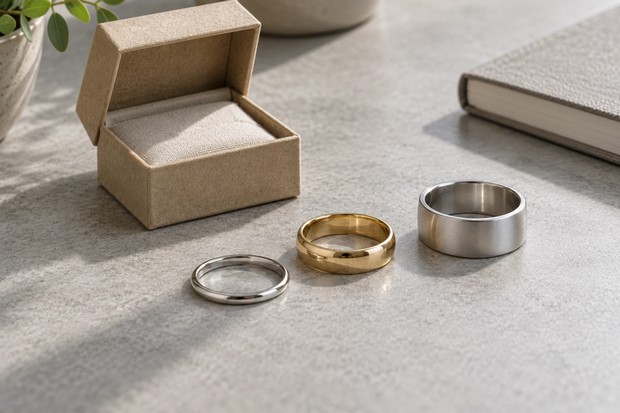
Identify the size system before selecting a number
Read the sizing information on the product page before relying on the dropdown. US, UK, European and Japanese labels do not follow a single shared numbering sequence. That variation is not unlike the differences seen across apparel size systems and export markets. A number remembered from an earlier purchase can be misleading if the new shop uses another system.
Save the name of the system alongside the size. A note that says only “size seven” leaves a question for the next purchase. A note that records the system, intended finger, measurement method and the ring used for comparison gives you something more useful to discuss with a retailer or a sourcing team.
If a product page offers dimensions but does not explain what they measure, ask before ordering. Do not infer the answer from a photograph of a ruler, a generic international chart or the country where the website is based. The seller should be able to explain its own product labels. Clear specification is just as important in textile product sheets and garment tech packs.
Keep diameter and circumference separate
Inner diameter describes the distance across the opening of a ring. Circumference describes the distance around that opening. In the textile trade, that same habit of distinguishing closely related measurements helps prevent sampling errors. Both can be written in millimetres, which makes selecting the right input just as important as recording the unit.
When measuring a suitable existing ring, measure across the inside edges. Including the metal on either side gives the outside diameter, which is a different dimension. A heavy band makes that mistake particularly easy to miss because it still looks like a plausible ring measurement on paper.
Keep the original measurement when you convert it. Avoid repeatedly converting a rounded label into another label and then back into millimetres. Returning to the original measurement makes disagreements between charts easier to spot and explain.
Use an existing ring with a known fit
A comparison ring should fit the finger where the new ring will be worn. That is similar to checking a fit sample in apparel development. Check that it is actually comfortable and secure rather than simply convenient to find. A loose ring taken from a jewelry drawer can provide a precise measurement of an unsuitable fit.
Look at the ring’s shape too. An opening that is visibly distorted is a weak reference for a circular size comparison. If you are unsure how to measure the item, a jeweler can inspect it and explain whether it provides a useful starting point.
Printed or on-screen measuring tools need their own checks. Follow the tool’s calibration instructions and confirm the stated reference dimension. Printer scaling and display calibration can affect the result, so a screenshot or an unverified printout should not be treated as a physical sizing gauge.
Compare the finished width and inner profile
Retail listings often emphasize the stone, metal and decorative finish. Add band width and inner profile to the details you review. For fashion and textile professionals, this is similar to checking fabric structure as well as appearance. A ring with a rounded interior can feel different from a design with a flatter inside surface, even when the size labels match.
Ask for fitting advice specific to the model. A blanket instruction to increase every wide ring by the same amount ignores the construction of the band and the wearer’s hand. A sample of the intended width gives a more meaningful comparison than a much narrower sizing ring.
For a set worn together, explain the full arrangement to the seller. This is much like confirming how layered pieces are intended to be worn in a fashion collection. A wedding band, engagement ring and extra stacking band should be considered as a combination if that is how you plan to wear them. Checking each piece separately may leave an important part of the fit untested.
Make the product page answer your questions
Before paying, identify the exact variant you have selected. Confirm the size system, band width, material description and whether any personalized option has been added. Similar product photographs can hide a change of width or profile between variants. That is a familiar issue in apparel e-commerce, where small design changes can affect fit and appearance.
If the available sizes do not match your measurement clearly, contact the seller with the original information. Explain how you measured and which finger is intended. Give the seller a chance to recommend the appropriate sample or physical fitting instead of choosing the closest-looking label under time pressure.
This is particularly important for valuable purchases and designs that may be difficult to alter. Ask whether the exact ring can be resized, within what range, and whether a change could affect its appearance or finish. The answer belongs to that particular design.
Read the exchange terms before personalizing
A resizing service and a return policy solve different problems. One may allow a size adjustment while the other governs an exchange or refund. Read both and check the terms that apply to the ring, destination and order you are considering. The same caution applies to made-to-order garments and other customized textile products.
Engraving or customization may change those terms. Find out before adding initials or a date. Also ask about the practical sequence if a fitting check is still needed: can the size be confirmed first and personalization arranged later?
Keep a clear record of the order
Save the product specification, selected size and any written fitting advice with the order confirmation. For a buyer or merchandiser, that creates a simple record trail similar to a textile spec sheet and approval note. When the ring arrives, compare it with those records before discarding the packaging or arranging further work. Follow the seller’s instructions for checking it and raise a problem promptly within the relevant period.
The aim is a purchase you can explain from start to finish. You know where the original measurement came from, what the international label means and which details were confirmed for the finished ring. That small amount of preparation makes online jewelry shopping easier to evaluate without asking a size chart to do a jeweler’s job. It is the same kind of discipline that helps textile and fashion teams keep fit, specification and final production aligned.

Editor of Fashion2Apparel. She is a fashion designer and ex-lecturer in Fashion Designing. She wants to spread fashion knowledge throughout the world.