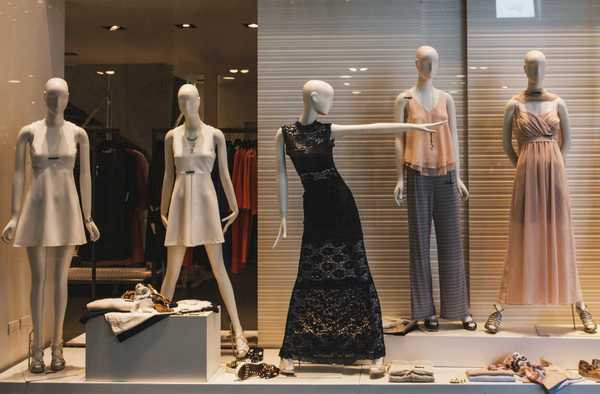
In fashion retail, presentation extends far beyond the garments themselves. Lighting, fixtures, spacing, packaging, and even hangers contribute to how customers perceive a collection. A hanger may seem like a small detail, but when hundreds of garments are displayed together, its shape, material, color, and finish become part of the overall store environment.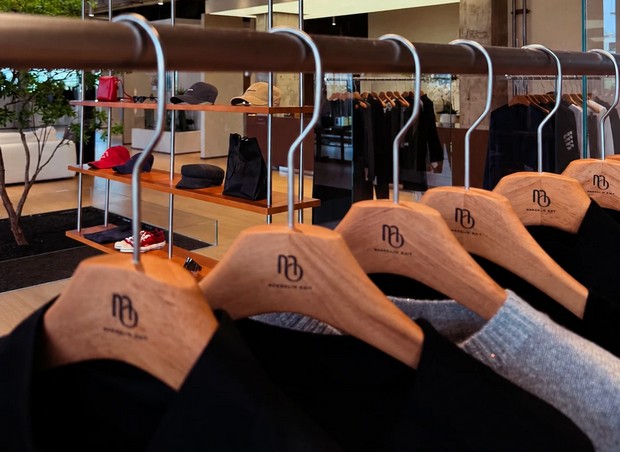
For fashion brands, choosing wooden hangers therefore involves more than finding a product that can hold clothing. The hanger should support the garment correctly while fitting the visual identity of the brand.
Start With the Garment Type
The first consideration should be the type of garment being displayed. Different garments place different demands on a hanger.
Suits and structured jackets generally benefit from wider, shaped shoulders that help support the garment. Shirts and lightweight tops can use a slimmer profile, allowing retailers to display more garments while maintaining a clean appearance. Heavy coats may require a more substantial hanger, while trousers and skirts often need trouser bars, clips, or other functional components.
For brands carrying several clothing categories, using a coordinated family of hanger designs can create consistency across the store while still providing the appropriate structure for each garment.
Consider Shape, Dimensions, and Thickness
Hanger proportions can have a significant effect on both garment support and visual presentation.
Important variables include overall hanger length, shoulder width, shoulder curve, and thickness. A broader shoulder profile can create a more substantial appearance for jackets and outerwear, while a slimmer hanger may be better suited to shirts or lighter garments.
Custom dimensions can also help fashion brands create a more consistent presentation across different collections. Instead of treating the hanger as a generic accessory, brands can specify proportions that better complement their garments and retail environment.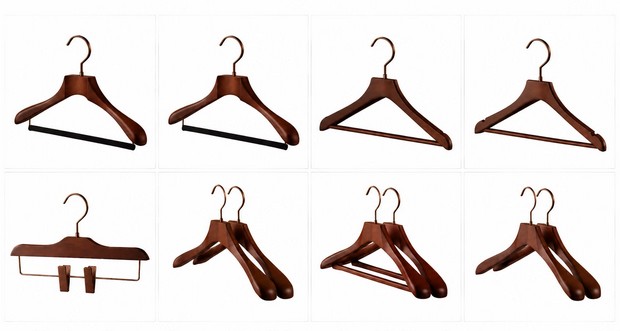
Select Wood to Match the Brand Aesthetic
Wood is one of the most visible elements of a wooden hanger, and different species offer different natural grain patterns and visual characteristics.
Options may include hevea, beech, oak, maple, walnut, and cherry wood. The choice does not need to be based on appearance alone. Buyers should consider how the selected wood will work with the required shape, finish, color, and overall positioning of the collection.
For example, some brands may prefer a lighter natural appearance, while others may want a darker tone that coordinates with store fixtures or brand colors.
Because wood is a natural material, variation in grain is part of its character. Brands should therefore consider the overall visual direction rather than expecting every individual hanger to have an identical grain pattern.
Choose the Surface Finish and Color
The same hanger shape can look very different depending on its surface treatment.
A natural finish can emphasize the grain of the wood, while matte finishes can create a more understated appearance. Colored or coated finishes allow the hanger to coordinate more closely with a brand’s retail concept.
Surface finishing also affects how customers experience the product visually and through touch. For this reason, finish selection should be considered together with wood type, store lighting, garment colors, and other display materials.
Brands developing a customized hanger program can review different combinations before deciding which appearance best supports their retail identity.
Integrate Branding Without Overpowering the Garment
A hanger can also serve as a subtle branding element.
Common logo customization methods include laser engraving, hot stamping, printing, and metal nameplates. Each method creates a different visual effect, so the appropriate choice depends on the brand’s desired presentation.
The goal is not necessarily to make the logo as large as possible. In many retail environments, a restrained logo application can create a more refined appearance while keeping attention on the garment.
Brands evaluating these options can review a broader HANGIVA guide to wooden hangers for fashion brands, covering customization of hanger shapes, wood materials, finishes, logos, hardware, and packaging.
Pay Attention to Hardware Details
Metal components can change both the appearance and functionality of a wooden hanger.
Fashion brands may need to specify hook style and finish, trouser bars, clips, or anti-slip components depending on the garment category. Hardware colors can also be coordinated with the wooden body and logo treatment.
For example, a hook finish that works well with a dark wooden hanger may create a different impression when paired with a light natural finish.
These details are particularly important when a brand wants several hanger styles to appear as part of one coordinated collection.
Think About the Entire Retail Environment
A hanger should not be evaluated in isolation.
Before finalizing a design, buyers should consider the clothing rail, shelving, lighting, flooring, fixtures, garment colors, and overall store concept. A hanger that looks attractive in a product photograph may create a different impression when repeated across an entire retail space.
Consistency is especially important for brands operating multiple stores. Establishing specifications for hanger dimensions, wood, finish, logo position, and hardware can help maintain a more uniform presentation between locations.
Packaging Matters Too
For customized hangers, the project does not end when production is complete.
Packaging should protect the wooden surface, logo, and hardware during transportation. Individual protection can help reduce contact between finished hangers, while appropriate export cartons help organize quantities for shipment and store distribution.
Fashion brands may also have specific packaging requirements based on warehouse handling, store allocation, or internal procurement processes. These requirements are best considered during product development rather than after production.
What Should a Fashion Brand Prepare Before Ordering?
Before discussing a custom hanger project with a manufacturer, buyers can prepare several pieces of information:
- garment types;
- preferred hanger dimensions;
- shoulder shape and thickness;
- preferred wood material;
- surface color or finish;
- logo artwork and preferred branding method;
- hook, trouser bar, clip, or anti-slip requirements;
- packaging requirements;
- expected quantity;
- reference images or existing hanger samples.
Providing these details helps turn a general request into a clearer product specification.
Conclusion
Wooden hangers play both a functional and visual role in fashion retail. The right choice depends on the garment being displayed, the desired store presentation, and the brand’s broader visual identity.
By considering hanger shape, dimensions, wood material, finish, branding, hardware, and packaging as one coordinated system, fashion brands can create a more consistent presentation across their collections and retail spaces.
Editor of Fashion2Apparel. She is a fashion designer and ex-lecturer in Fashion Designing. She wants to spread fashion knowledge throughout the world.