Modern consumers expect more from clothing than good looks. Whether they are buying sportswear, outdoor clothing, travel apparel, or everyday casual wear, comfort and performance have become important parts of the buying decision.
This change has made performance fabrics increasingly important for apparel brands.
Comfort Is Now a Product Feature
Consumers often wear the same garment in different situations throughout the day. A shirt may be worn during a morning commute, at work, and again during light exercise or travel.
Because of this, fabrics need to provide more than basic coverage.
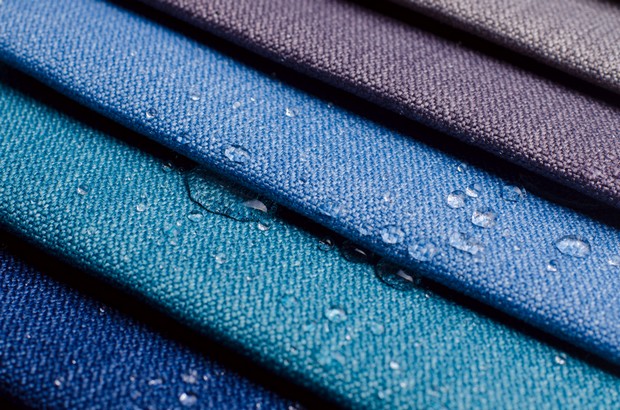
Common performance features include:
- Moisture-wicking
- Breathability
- Lightweight construction
- Stretch and recovery
- UV protection
- Quick drying
- Soft hand feel
These features help garments stay comfortable while giving brands more ways to differentiate their products.
Fabric Selection Starts With the Application
There is no single fabric that works perfectly for every garment.
A performance T-shirt may need strong moisture management and breathability, while travel pants may require stretch, durability, and shape retention. Outdoor garments may need UV protection or thermal performance.
For apparel developers, the first step is therefore to understand how the finished garment will be used.
The fabric structure, fiber composition, weight, finishing process, and functional properties can then be selected around those requirements.
Reliable Manufacturing Also Matters
Performance does not depend only on the fabric specification.
Consistency between production batches is equally important. Changes in weight, stretch, color, shrinkage, or surface feel can affect the quality of the final garment.
Working with an experienced fabric manufacturer can help apparel companies manage these risks from sampling through bulk production.
Companies such as Mibein develop functional knit fabric solutions for apparel brands, garment manufacturers, designers, and fabric distributors.
Final Thoughts
As apparel becomes more versatile, fabric development is becoming a bigger part of product development.
Brands that choose fabrics around real wearing conditions can create garments that feel better, perform better, and provide clearer value to customers.
For apparel businesses, the right fabric is no longer simply a material choice. It is part of the product strategy.

Editor of Fashion2Apparel. She is a fashion designer and ex-lecturer in Fashion Designing. She wants to spread fashion knowledge throughout the world.